Nov 16, 2026
4 Key Considerations for Digital Workplace Design
View more
Are you feeling the “shared experience” pressure?
The digital workplace experience is shaped long before technology is installed. Effective collaboration space planning brings together IT, facilities and employee needs. This helps technology feel simple to use, meetings run smoothly and hybrid teams stay connected.
When you design your digital workplace experience, you are shaping how people connect, share ideas and get work done. This goes beyond selecting devices. It requires collaboration space planning that supports the employee experience, IT strategy and wider business goals.
Research from Barco ClickShare shows that 80% of employees prefer hybrid work, yet 71% still experience friction with hybrid meeting technology. This gap highlights why designing the digital workplace experience requires more than simply installing equipment. It requires considered, intentional collaboration space planning.
For IT leaders, the implications are clear. Poor collaboration tools can affect productivity, security and employee satisfaction. The right approach creates hybrid collaboration spaces that effectively support both office-based and remote teams.
Define the Experience Before the Room Exists
Digital workplace experience planning is a cross-functional effort. IT, HR, facilities and business leaders work together to design environments that support how people actually work. The goal is to ensure those environments align with employee needs and everyday workflows.
Start with the outcomes and the experience you want people to have at work, rather than choosing equipment first.
Who owns the digital workplace experience? Responsibility is shared. IT delivers the technology experience, HR champions the employee experience, the facilities team shapes the physical environment and leadership connects these elements to business outcomes. When everyone is aligned around the experience you want people to have, collaboration feels more natural and adoption is more likely to improve.
Identify employee needs, align business outcomes, establish collaboration standards and include sustainability targets to improve the workplace experience.
Clear goals lead to better decisions. Consider these priorities:
Gartner research shows that hybrid and on-site employees demonstrate similar levels of productivity, reinforcing the idea that workplace experience design and collaboration strategy often matter more than location alone.
Success measures often include uptime, reductions in support tickets, meeting start times and employee satisfaction scores. These metrics help connect IT performance with wider business impact.
Employees expect meetings to start quickly, technology to work consistently and remote participants to feel included. Increasingly, AI capabilities are moving to the edge. AI can now run directly on devices to enable real-time framing, speaker tracking and more seamless experiences without adding complexity.
Employees expect reliability and simplicity from their workplace technology. When tools feel complicated or inconsistent, adoption falls and frustration increases. Improving the digital workplace experience starts with understanding how people actually work and removing friction wherever possible.
Common frustrations include:
To improve workplace collaboration, focus on the goals that matter most to both employees and IT leaders. Ease of use, consistent experiences, security and reliable performance typically rank highly. Many organisations also prioritise faster meeting starts, fewer support tickets and better hybrid engagement.
Measuring success requires both technical and human metrics. IT leaders often track uptime, help desk requests, room utilisation data and meeting start delays. Employee feedback, satisfaction surveys and adoption rates provide another valuable layer of insight. Together, these indicators help you understand whether the digital workplace experience is genuinely supporting the way people work.
Designing around real behaviours can help solve many of these challenges. Observation, employee surveys and usage analytics can reveal where improvements will have the greatest impact.

Your hybrid teams and IT support staff need meeting spaces that are simple to use, easy to manage, and consistent across every location. Crestron combines intelligent collaboration technology, AI-powered video, professional audio, and centralized management to help organizations create seamless meeting experiences.
From conference rooms to shared collaboration spaces, Crestron provides a unified platform that simplifies deployment, supports hybrid work, and gives IT teams the flexibility to scale with confidence.
A strong digital workplace experience requires scalable collaboration spaces that can adapt as your organisation grows while protecting information and supporting evolving ways of working.
Being ready for the future depends on flexibility. Ways of working can change quickly, and technology needs to keep pace without requiring constant redesign.
Key considerations include:
Sustainability matters too. Deloitte research indicates that many organisations now consider environmental impact when making workplace technology decisions.
Security also remains essential. Hybrid collaboration spaces need to protect data while remaining straightforward for employees to use.
This starts with securing meeting devices across every room through standardised configurations, regular updates and centralised management. Shared content should also be protected through secure wireless sharing, encryption and controlled access, helping ensure that only authorised people can view or present content.
At the same time, security should not create unnecessary friction. If processes feel too complicated, users may find workarounds that introduce additional risk. The goal is a secure experience that is simple, consistent and easy to follow.
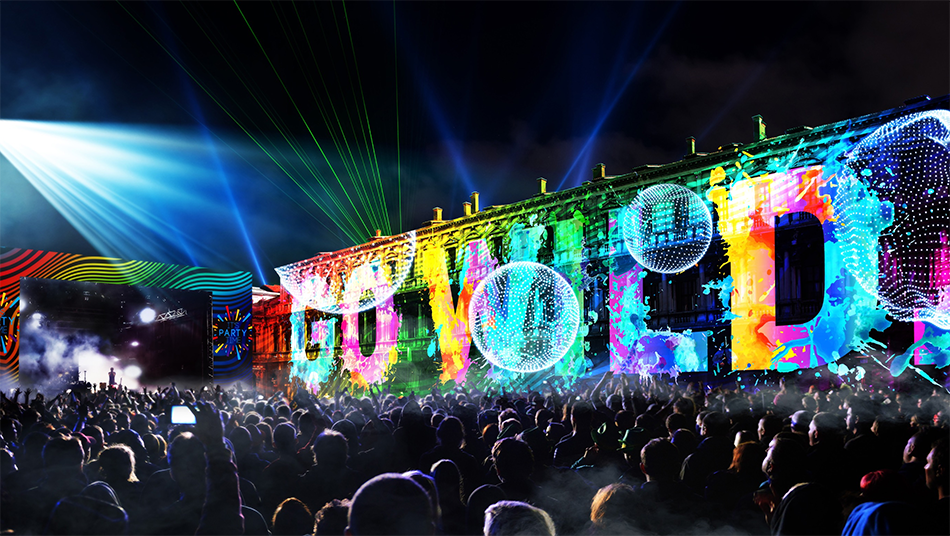
Panasonic professional solutions help your IT teams deliver the immersive experiences that power your modern workplace and customer experiences. Meeting rooms, auditoriums, and event spaces become more engaging with compelling visual content. Flexible Panasonic projection, display, and DvLED options give you more ways to design spaces around how people meet, collaborate, and communicate.
AVI-SPL and Panasonic work together to create collaboration environments that meet your needs today and can evolve for your future needs. We help you design and build flexible spaces while delivering the performance and quality experience your teams expect.
AVI-SPL helps improve the workplace experience by aligning planning with business goals and testing collaboration spaces using real-time design software before construction begins.
When you design your digital workplace experience, experienced guidance can help reduce risk and uncertainty.
AVI-SPL provides workplace design and planning services, alongside real-time design simulations that allow you to evaluate collaboration spaces before anything is built.
Testing spaces virtually can help identify potential issues early, improve adoption, reduce costly changes later and give stakeholders greater confidence in the proposed design.
An experienced AV integrator can also bring strategy, design, deployment and ongoing support together into a cohesive process, helping ensure your workplace experience continues to evolve alongside your organisation.
Define your digital workplace experience during the planning stage. When technology fades into the background, collaboration feels natural and organisations can improve the way people work together.
Equipment alone does not define the workplace experience. Planning does.
When collaboration spaces align with real working patterns, employees feel better supported. IT teams receive fewer support requests. Leaders see stronger engagement.
That is how organisations can elevate the shared experience across every environment.